Furniture Clinic
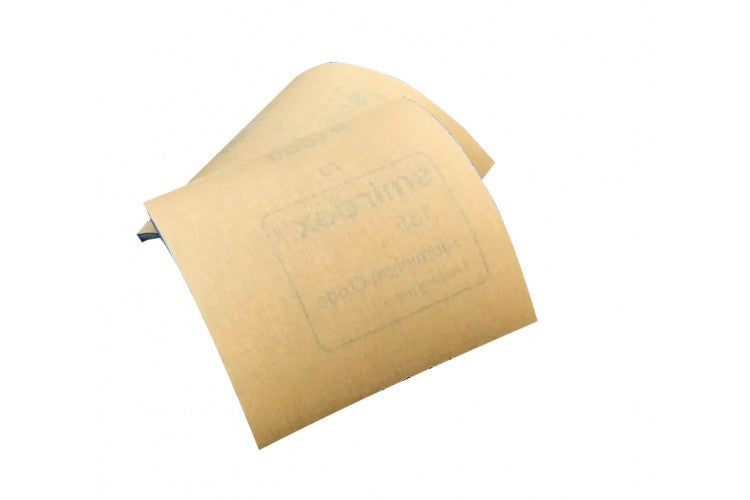
P1000 Sandpaper – Ultra-Fine Finishing & Polishing
P1000 Sandpaper – Ultra-Fine Finishing & Polishing
Couldn't load pickup availability
Leather Sanding Paper (P1000) – The Secret to a Silky-Smooth Finish
If P240 is the tool for the "heavy lifting," then P1000 Sandpaper is the tool for the perfectionists. In the world of professional leather restoration, the difference between a noticeable repair and one that looks factory-fresh lies in the detailed polishing of every single layer.
This ultra-fine sandpaper is specifically selected to ensure maximum surface smoothness without leaving visible scratch marks. It is the final step before applying color and your best ally between individual layers of paint and finish.
✨ What is P1000 Sandpaper Used For?
-
💎 Final Polishing of Fillers: After leveling Heavy Filler with coarser grits, P1000 removes even the finest marks, making the transition to the surrounding leather completely imperceptible to the touch.
-
🌬️ Intermediate Smoothing: Often, when spraying with an airbrush, microscopic dust particles in the air can settle on wet paint. A light pass with P1000 between layers of color removes these "nibs" for a perfectly smooth result.
-
🤸 Restoring Softness: If the leather feels slightly rough or "dry" after applying the colourant, fine sanding with P1000 restores its velvety softness.
-
🛡️ Preparation for Finish: Used to smooth the final layer of paint before applying the topcoat (Leather Finish), providing an ideal base for perfect adhesion.
🛠️ How to Use (Professional Techniques):
-
Pressure: Apply extremely light pressure. The sandpaper should barely touch the surface—let the fine abrasive do the work.
-
Direction: Use long, smooth strokes. When polishing fillers, move from the center of the repair outward toward the healthy leather.
-
Intermediate Cleaning: After each sanding step, always wipe the surface with a clean, dry cloth or use Alcohol Cleaner to remove fine dust before proceeding with painting.
-
Dry or Wet Sanding: For leather repair, we recommend dry sanding to avoid the risk of fillers or paint swelling from moisture.
📊 Technical Details:
-
Grit: P1000 (Ultra-Fine Abrasive).
-
Application: Suitable for genuine leather, vinyl, and faux leather.
-
Flexibility: Paper-backed for easy folding, allowing you to reach difficult areas such as seams, creases, and perforations.
💡 Expert Advice:
If you are painting a steering wheel, sanding with P1000 between the second and third coats of paint is mandatory. This is the secret to that "squeaky clean" and smooth feel found only in brand-new showroom cars.
Share