Furniture Clinic
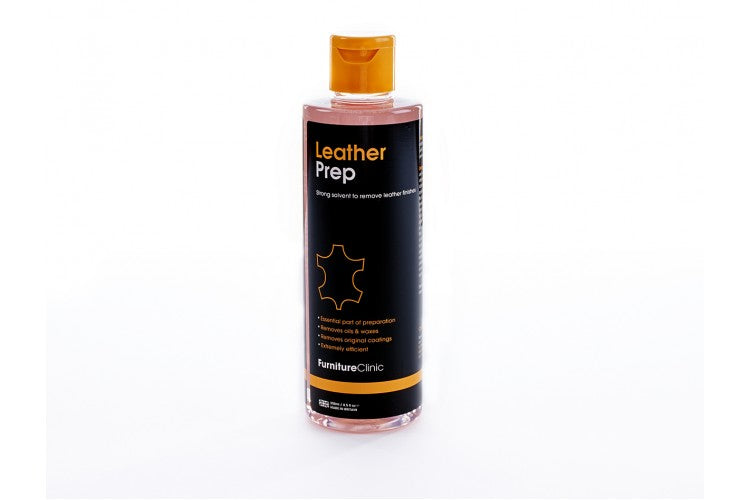
LEATHER PREP
LEATHER PREP
Couldn't load pickup availability
Това е най-важният технически текст досега. Leather Prep е продуктът, който разделя любителите от професионалистите – той е разликата между ремонт, който трае един месец, и реставрация, която трае с години.
Ето пълния професионален превод на английски, структуриран за Вашия сайт:
Leather Prep: High-Strength Solvent for Professional Restoration
Leather Prep is our most aggressive and effective solution for stripping away old, worn-out leather finishes. It serves as the "foundation" of every successful restoration, preparing the surface to perfectly bond with new colorant.
Why is Leather Prep Essential?
To ensure a long-lasting finish, the new dye must bond directly to the leather fibers, not to the old lacquer or accumulated grime. Leather Prep guarantees this by eliminating:
-
Old Finish (Lacquer): Removes cracked or worn-out top layers.
-
Hidden Barriers: Effectively strips away layered waxes, oils, and silicone-based conditioners.
-
Industrial Contaminants: Deep cleans anything that might compromise the adhesion of the new coating.
🛡️ Suitability & Applications
This powerful solvent is specialized for the following:
-
Leather Types: Pigmented (painted) leather, Two-Tone, and Antique-finished leathers.
-
Applications: Furniture, car interiors, leather clothing, shoes, handbags, and accessories.
⚠️ Critical Step: Do Not Skip!
Leather restoration is 80% preparation and 20% painting. If the leather is not precisely treated with Leather Prep, the new dye will fail to "bite" the surface, inevitably leading to peeling and cracking shortly after the repair.
Note: Always wear protective gloves and work in a well-ventilated area.
🛠️ Professional Preparation: Step-by-Step
Step 1: Removing Old Layers
The primary goal is to remove cracked factory finishes. In most cases, the cracks you see are not in the leather itself but in the aged lacquer on top. By removing these layers, you address the root cause of the damage.
Step 2: Choosing Your Technique
| Option A: Heavy Damage (Abrasive Clean) | Option B: Light Wear (Surface Clean) |
| For old, heavily cracked leather. Use an abrasive sponge (Scotch-Brite). | For leather with minor wear. Use a clean cloth. |
| Spray Leather Prep generously. Keep the surface wet at all times. | Soak the cloth with Leather Prep. |
| Scrub with moderate pressure. The solvent will "emulsify" the old paint. | Wipe the surface until color begins to show on the cloth. |
| Wipe away dissolved paint and sand lightly once dry for a silky feel. | This indicates the top layer is open and ready for the new dye. |
💡 Why Strip the Finish Instead of Just Filling?
-
The "Direct Painting" Mistake: Just filling cracks and painting over them creates a "plastic" feel. The leather becomes stiff and the risk of re-cracking is high.
-
The Leather Prep Method: By removing old layers, you restore the material's natural elasticity. The leather stays soft, breathable, and looks like it just left the showroom.
❓ Frequently Asked Questions (FAQ)
-
How much do I need?
-
Steering wheel/Small accessories: 50ml.
-
Front car seat: 100-150ml.
-
Full car interior/Large sofa: 500ml to 1L (heavily worn leather requires generous wetting).
-
-
Can I use it on Suede or Nubuck?
ABSOLUTELY NOT. This will permanently damage the delicate nap of suede or nubuck.
-
What if no color comes off on my cloth?
This means the leather has a very thick protective lacquer or heavy silicone buildup. Use a Scotch-Brite sponge and apply more pressure until the solvent breaks through the barrier.
-
Is it safe to use without dyeing afterward?
No. Prep removes the protection. If left untreated, the leather will absorb dirt and crack rapidly. It is strictly a preparatory step.
💡 Expert Pro-Tip:
"If you are working on old leather that feels 'hard as cardboard,' using Leather Prep combined with light sanding is the best way to soften it. Removing the hardened old paint is what actually brings the elasticity back to the material."
Share